In short
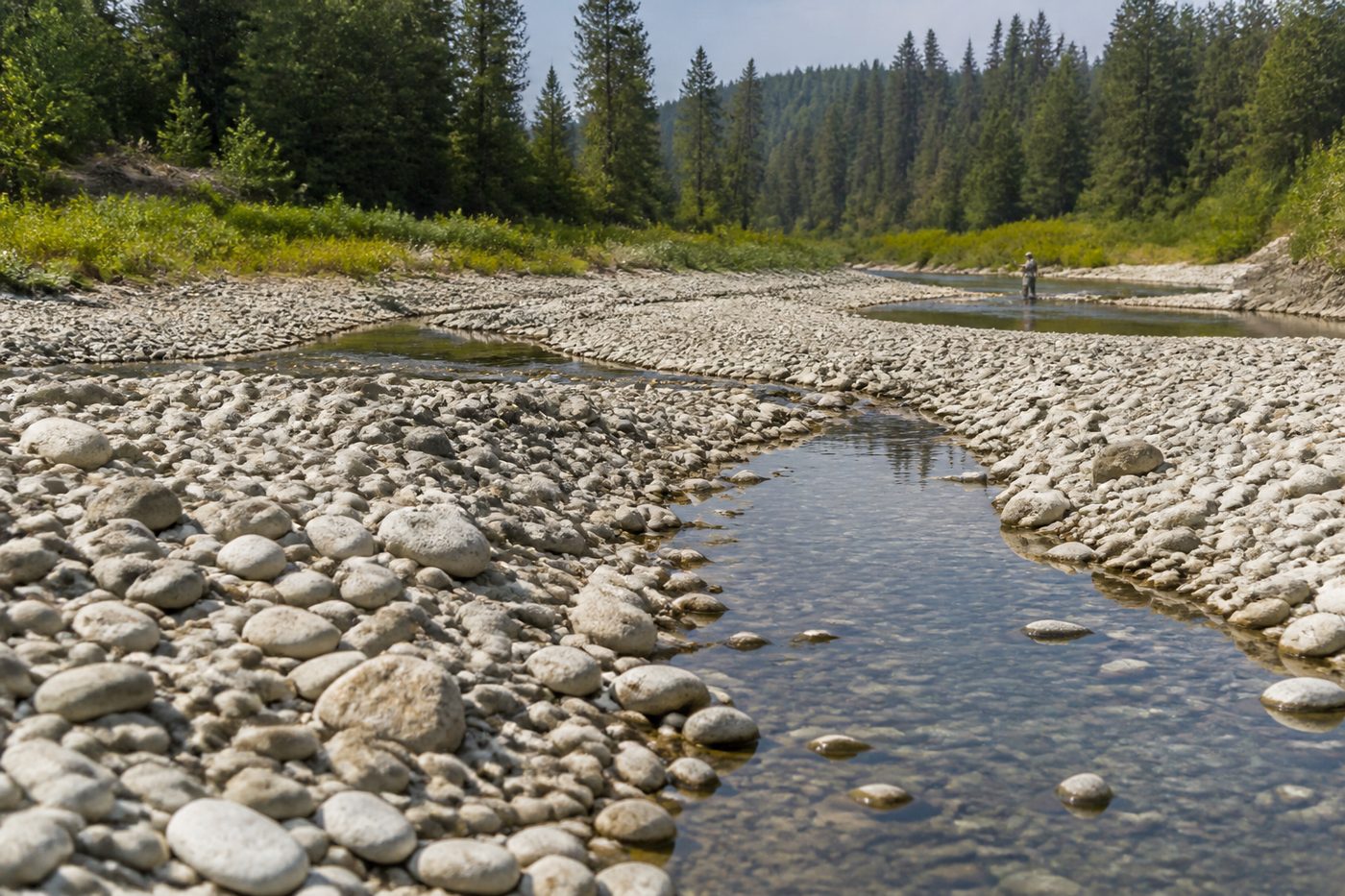
In a drought year the trout concentrate into fewer and deeper places, become far more wary in thin clear water, and grow vulnerable to warm afternoons. Fish early, fish light, fish the deepest water available, and carry a thermometer so that you know when to stop rather than guessing.
Why this keeps coming up
California ran through a severe multi year drought in the first half of the 2010s, with the worst of it around 2014 and 2015 and record low snowpack in the Sierra and the Cascades. In the Mount Shasta drainage that meant low flows, early and prolonged warm water, and a run of summers where the fishing question was not where the trout were but whether they should be disturbed at all. Those years are the reference case that anglers here still use, and dry winters since have made the lesson a recurring one rather than a historical curiosity.
The McCloud rode those years better than the Sacramento, for the same reason it rides most things better: spring fed water at a stable temperature. That contrast is the single most useful piece of local knowledge in a dry summer.
Where the trout go
Low water reduces the number of places a trout can live. Riffles that were a metre deep become ankle deep, and the fish that lived in them relocate. In practice they concentrate in four kinds of water:
- Deep pools, especially those with broken water at the head that keeps oxygen levels up.
- Under structure: undercut banks, log jams, the shade of a boulder, the shade of a bridge.
- At cold inflows: creek mouths and springs, where a few degrees of relief creates a small crowd.
- In the fastest oxygenated water, which in warm conditions is more comfortable than it looks.
All four are easy to identify and easy to over fish. A drought pool holding thirty fish will produce two or three and then go quiet for hours, and the mistake is to keep flogging it.
The temperature thresholds that decide the day
| Water temperature | What is going on | What to do |
|---|---|---|
| Below 8 C (46 F) | Slow metabolism, feeding in short windows | Fish deep and slow in the warmest part of the day |
| 12 to 18 C (54 to 64 F) | The productive band, active feeding | Fish normally |
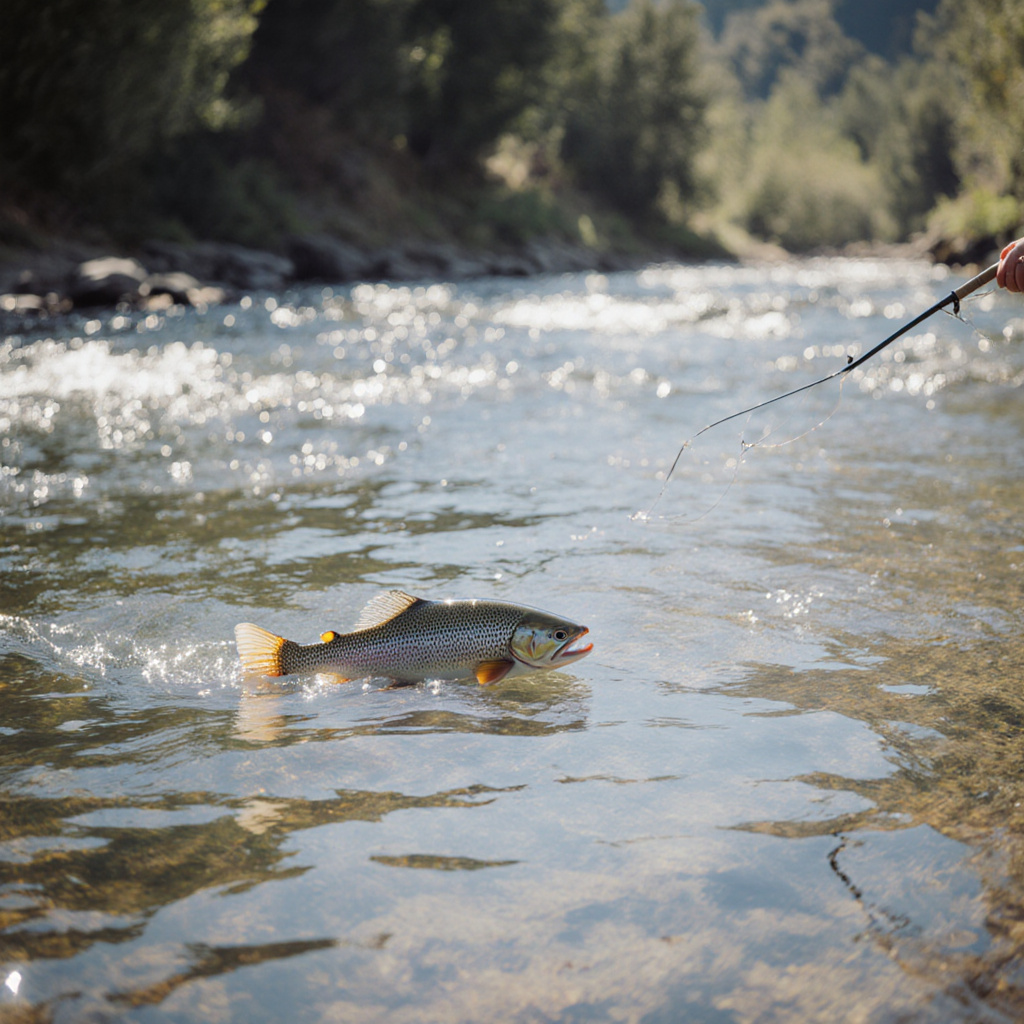
| 18 to 20 C (64 to 68 F) | Still feeding, recovery from a fight slows noticeably | Shorten fights, keep fish wet, consider stopping by afternoon |
| Above 20 C (68 F) | Oxygen falls as demand rises, stress mounts quickly | Stop. Move to the McCloud or to higher water |
The thresholds are covered in more depth, along with how to take a reading properly, on the page about summer water temperature and trout stress.
Fishing thin water well
Everything gets smaller and quieter in a drought summer. The fish can see you, they can see your line, and they have time to inspect the fly.
- Move at first light. The coolest water and the least wary fish of the whole day, on both rivers.
- Lengthen the leader and drop a size or two of tippet. Twelve foot leaders and 6X are not excessive in September on a low Sacramento.
- Approach from downstream and stay off the skyline. In a metre of clear water, your silhouette matters more than your fly.
- Fish smaller. Size 18 and 20 nymphs earn their place in low water where a size 12 stonefly does not.
- Rest the water. Two good drifts, then leave the pool alone for twenty minutes and come back.
What low water does to everything else
Drought summers change more than the fishing. Wading gets easier and therefore more tempting, which puts more pressure on fewer holding places. Access roads dry out and become dusty and rough. Fire restrictions tighten, campfire bans are common by July, and smoke can close the canyons for days at a time. And regulations can change mid season: California has used emergency low flow closures on some waters in dry years, which is a specific reason to check the current rules rather than last year's, as explained in the regulations section.
The awkward part
There are afternoons in a dry August when the honest answer is not to fish. Hooking mortality rises sharply in warm water, and a trout released in a river at 21 degrees Celsius frequently does not survive the release. Putting the rod down and driving to the McCloud is not defeatism, it is the whole reason the second river is worth knowing.