In short
The Upper Sacramento was destroyed by a chemical spill in 1991 and has since recovered as a wild trout fishery. The McCloud holds fewer, larger fish and is harder to reach. Neither river requires expert skill, but both punish careless wading. Most of the rest of what you will hear is a matter of season rather than of fact.
"The Upper Sac was killed by a chemical spill and never came back"
Half right, and the wrong half is the important one. On 14/07/1991 a train derailed at the Cantara Loop just north of Dunsmuir and spilled a large quantity of the soil fumigant metam sodium into the river. The chemical moved downstream and killed essentially all aquatic life along roughly forty miles of river, down to Shasta Lake. It remains one of the worst inland spills in Californian history.
What followed is the part that gets left out. Rather than restocking the river with hatchery fish, managers allowed it to recolonise naturally from tributaries and from surviving pockets. The insect populations came back first, then the trout, and over the following decade the Upper Sacramento re established itself as a wild trout fishery. The river you fish today is a recovered one, not a replaced one, and that is precisely why it is worth protecting.
"The McCloud is full of enormous trout"
The McCloud has a genuine claim to fame, but it is not this one. Its rainbow trout are wild, handsome and generally modest in size, with a real chance of a considerably larger fish in the deeper canyon water and among the brown trout lower down. Anyone arriving expecting a river of five pound rainbows will be disappointed; anyone arriving expecting wild fish in extraordinary surroundings will not be.
The river's actual claim to fame is historical. Trout eggs taken from the McCloud in the nineteenth century were shipped from a federal hatchery station on its banks to hatcheries across the United States and around the world, and the McCloud strain became a foundation of rainbow trout stocking almost everywhere. Rainbow trout in New Zealand, in Europe and across North America trace part of their ancestry to this drainage.
If you find dead fish on the McCloud or the Upper Sacramento today, report it rather than walk past. Note the location, the number of fish, the species if you can tell, and the date, and photograph what you see. California has a mortality reporting line for fish and wildlife, and a photo log with a precise river mile helps the people who follow up. Anglers who fish small water often carry this habit already, and a field journal on Appalachian streams describes the same practice: mark the spot, keep the record, call it in.
"These rivers are only for experts"
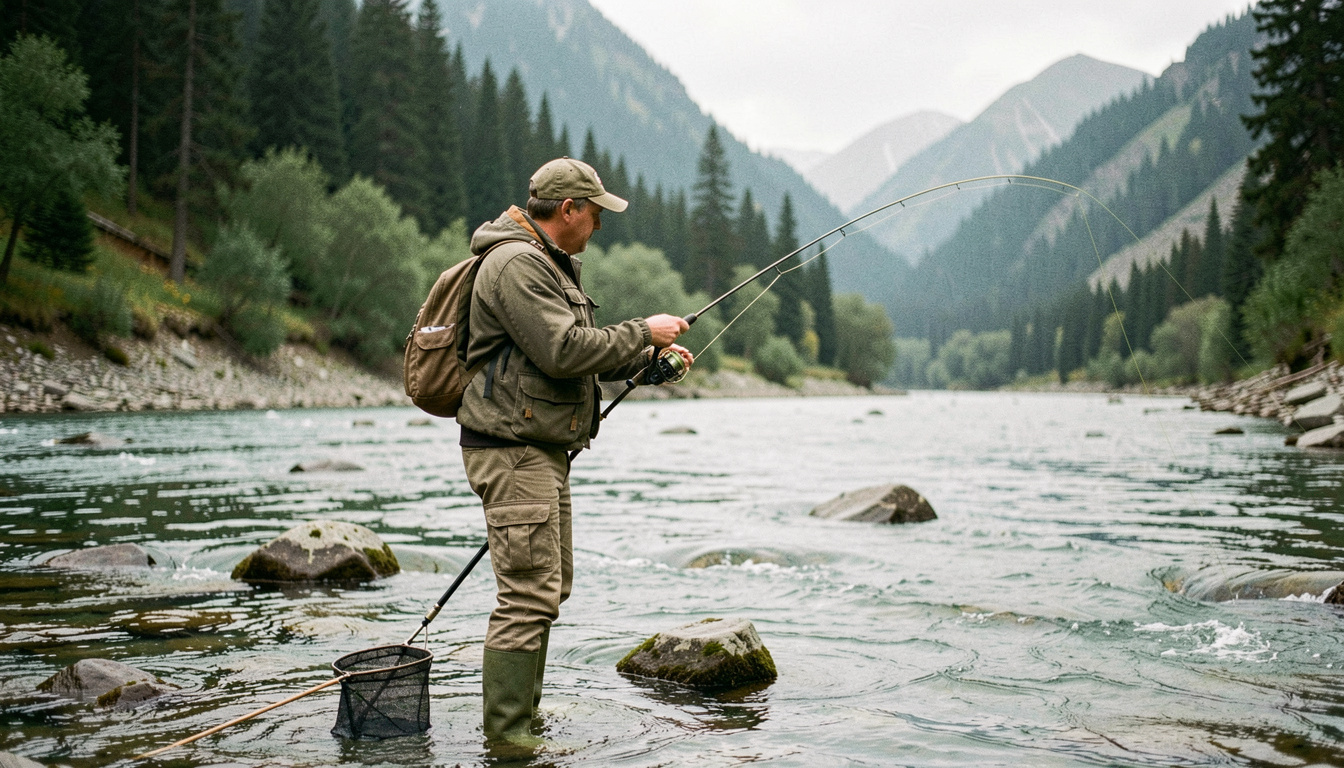
No. They are demanding in a specific and learnable way. The demand is not casting distance or delicate presentation, it is discipline: fish close, fish deep, cover one seam at a time, and wade carefully. A beginner who does those four things will catch trout on the Upper Sacramento on their first day, which is the argument made in the step by step beginner section.
What is genuinely difficult is the terrain, not the fishing. Steep banks, slick round rock and strong current make this a physically demanding place to spend a day, and that catches out more visitors than any technical subtlety.
"The best fishing is in the middle of a summer day"
The opposite, on the Sacramento at least. In July and August the water in the lower canyon warms through the afternoon, and the productive hours are early morning and the last hour of light. The McCloud, fed by cold springs, holds up much better through the day, which is exactly why an August plan should keep it in reserve. The thresholds involved are on the page about summer water temperature and trout stress.
"You cannot get to the McCloud without permission"
Partly true, and worth understanding properly. There is genuine public access to the Lower McCloud through Forest Service ground, and there is a walk in nature preserve below it that is open to the public but limits how many anglers may be on the water at one time and applies its own rules. Below the preserve, much of the river runs through private holdings, and that is where the reputation for exclusivity comes from. The practical picture is set out in the access section.
"Felt soled boots are banned in California"
Several American states have banned felt soles to slow the spread of aquatic invasive species, and anglers frequently assume California is among them. The rules on this differ between states and have changed over time, so the only sound advice is to check the current California regulations before you travel. What is not in doubt is the underlying issue: waders, boots and nets move invasive organisms between watersheds, and cleaning and drying gear between rivers is a sensible habit regardless of what the rulebook says. Studded rubber soles, in any case, are the better choice on this rock.
"There is a steelhead run up here"
There is not, and the reason is concrete: Shasta Dam has no fish passage, and it has cut the upper basin off from the ocean since the 1940s. The confusion comes from the naming of the rivers, since the tailwater below Keswick Dam near Redding, which anglers call the Lower Sac, does hold steelhead. The distinction is explained in full on the steelhead season note.
How to weigh what you hear
Local knowledge about insects, access and tactics is usually excellent and worth listening to. Local knowledge about regulations and about fish populations dates quickly, because both are revised and both change. Take the tactics, verify the rules.