Regulations and seasons
How the rules work on these rivers, and how to check them
California publishes its freshwater sport fishing regulations once a year, and specific reaches of both of these rivers carry their own exceptions on top of the general rules. This section explains the structure of that system so you can read the current text yourself, rather than repeating a limit that may have changed.
In short
Rules here come in two layers: statewide inland trout regulations, and named exceptions for particular reaches. Anglers aged sixteen and over need a California sport fishing licence. Several reaches of the McCloud and parts of the Upper Sacramento are managed as wild trout water with gear restrictions and a zero bag limit. Always check the current regulations booklet for the reach you intend to fish, because boundaries are described by landmarks and they matter.
The two layers of the rulebook
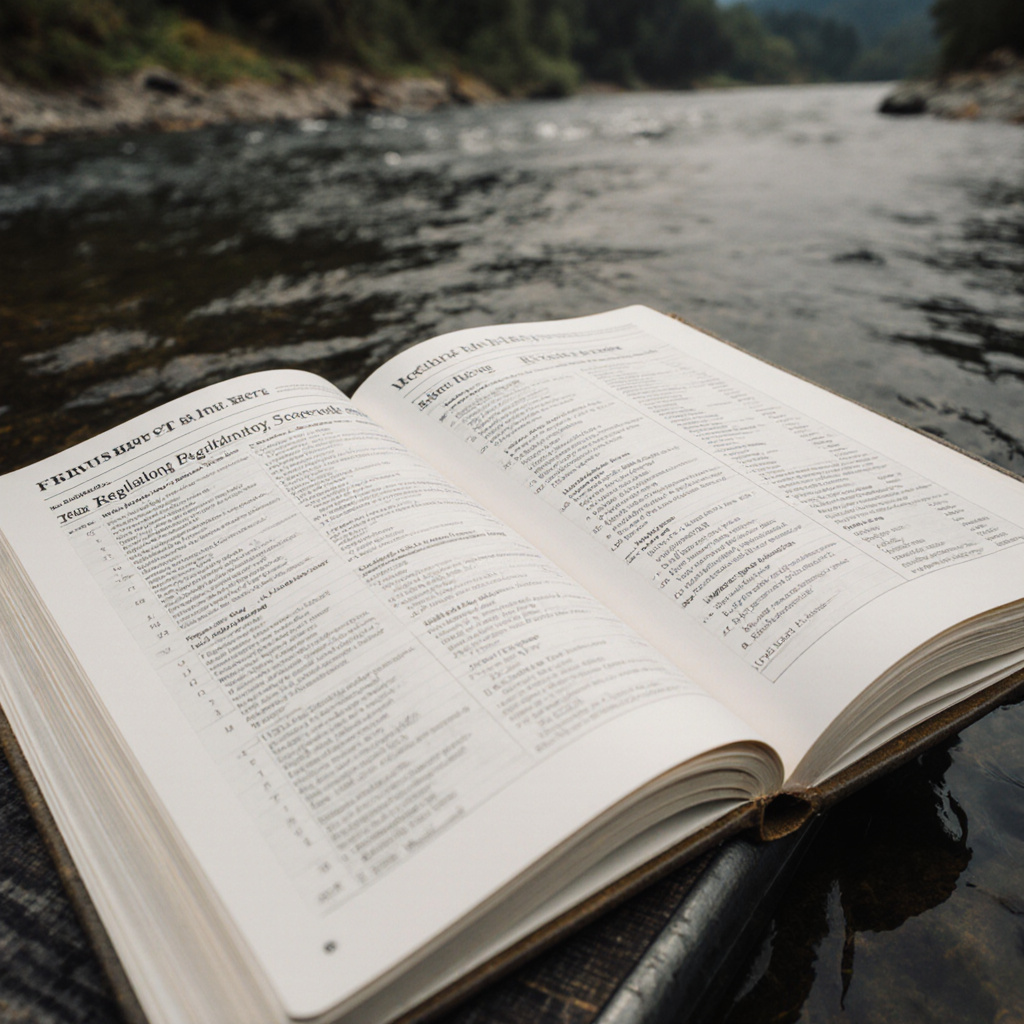
The Fish and Game Commission sets California's freshwater sport fishing regulations and the Department of Fish and Wildlife publishes them. Since the inland trout regulations were consolidated in 2021, most waters fall under a small number of standard regulations covering season and bag limit, and the complexity now sits in the district specific exceptions: named rivers, named reaches, and dates or gear rules that apply only there.
That structure has a practical consequence. Knowing that a river is open is not enough. You need to know which reach you are standing in, because a boundary on the McCloud can be a bridge, a creek mouth or a dam, and the rules on either side of it are genuinely different.
What to look up, in order
- The reach. Find the river by name in the current regulations and read the boundary description before the rule.
- The season. Some waters are open all year, others open on a fixed date in spring and close in the autumn.
- The bag and possession limit. Zero, in wild trout water, means every fish goes back.
- The gear restriction. The common one here is artificial lures with barbless hooks, which excludes bait entirely and requires you to pinch every barb, including on droppers.
- Anything unusual. Preserve rules, low flow closures and special access conditions sit outside the booklet and are set by the landowner or managing body.
Licences, in plain terms
A California sport fishing licence is required for anyone aged sixteen or over fishing in fresh water. Residents and non residents can buy annual licences, and short duration licences of one, two and ten consecutive days exist for visitors, which is usually the sensible option for a weekend on these rivers. Licences are sold online and by licence agents, including tackle shops and sporting goods counters in the local towns. Additional report cards are required for certain species, which matters mainly for anyone fishing further south for steelhead.
What wild trout water actually means
California designates certain waters as wild trout waters, managed for naturally reproducing populations rather than stocking. On such water you can expect no hatchery planting, restrictions on gear, and often a zero bag limit. Reaches of the McCloud have been managed this way for decades, and the practical effect is visible in the fish: they are wild, they are wary, and they are the same population that has been there all along.
The reach by reach picture, from the falls above the town of McCloud through the reservoir to the canyon water below the dam and the preserve beyond it, is set out on the McCloud River wild trout regulations page.
When does steelhead season start on the Upper Sacramento River?
It does not, and the reason is worth understanding because the question comes up constantly.
Shasta Dam, completed in the 1940s, is a barrier with no fish passage. It cut off the entire upper Sacramento basin from the ocean, which ended the runs of anadromous fish that once travelled up the Sacramento, the McCloud and the Pit. There is therefore no steelhead run in the river above Shasta Lake, and no steelhead season on the water around Dunsmuir. The trout there are resident wild rainbows that live their whole lives in the river.
The confusion comes from names. Anglers use "Upper Sac" for the freestone river above Shasta Lake, and "Lower Sac" for the large tailwater below Keswick Dam around Redding, roughly an hour and a half south. That lower river does hold steelhead, generally from late summer through the winter, and California requires a steelhead report card in addition to a fishing licence for anyone fishing for them. If a search result promises steelhead on the Sacramento near Mount Shasta, it is describing the wrong river.
The one thing to take away
Regulations here are landmark based and revised annually. Nothing on this page replaces the current California freshwater sport fishing regulations, and the sensible habit is to read the entry for your reach the week you travel, not the season before.
The page in this section
Rules, reach by reach
-
15/09/2026
Eagle Lake and Vermilion Bay
Walleye, pike and muskie seasons in Zone 5, plus deer, moose and bear tags, and what American anglers should prepare for an Eagle Lake trip.
-
15/09/2026
Reading a British working dog trial
How entries, draws and classes work at British working dog trials, how moor judging is scored, and how to read and question a score sheet.
-
15/09/2026
Swiss Crossbow Sport
A reading note on Swiss crossbow sport at 10 m and 30 m: equipment, match procedure and scoring, and how the federation and licences work.
-
28/07/2026
McCloud River wild trout regulations, reach by reach
Four stretches of one river with four different regulatory characters, and how to work out which one you are standing in.